
The Sweet Problem: How Modern South Asian Diets Are Affecting Aging
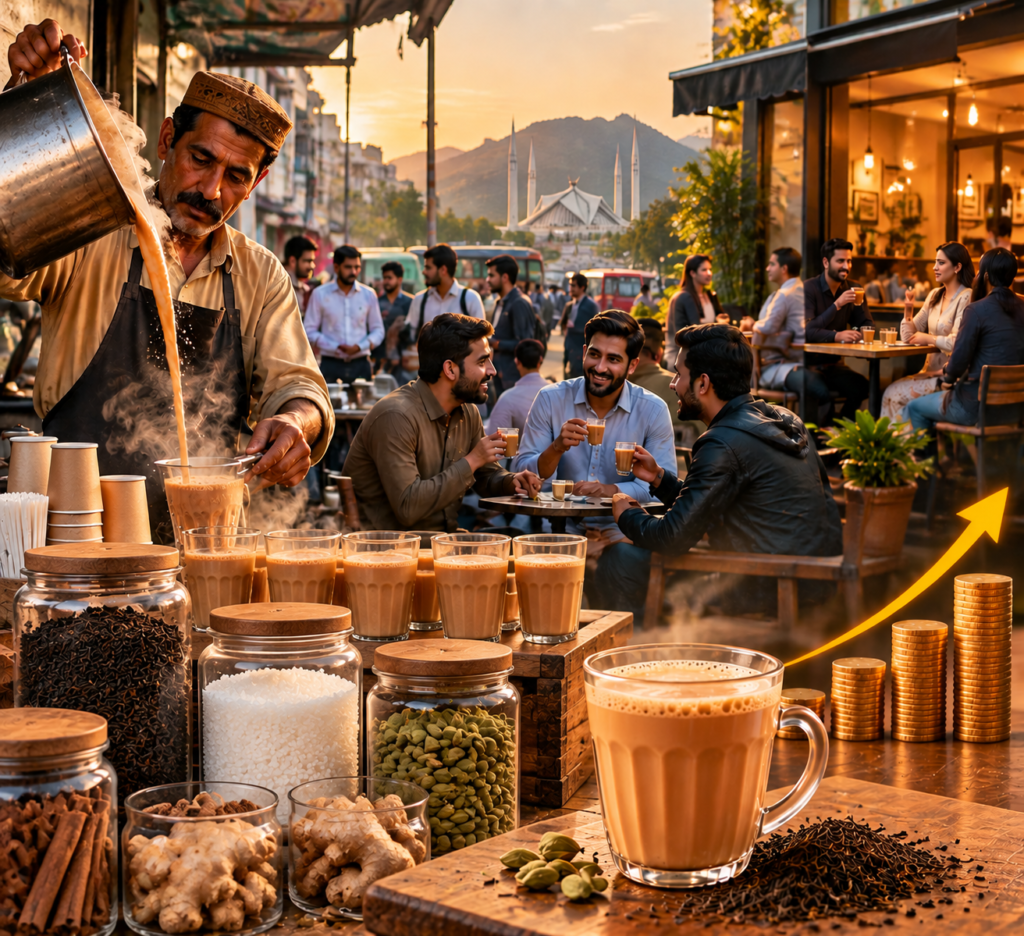
Food has always been deeply connected with culture in India and Pakistan. From morning chai with sugar to white rice, naan, sweets, desserts, and festival foods, carbohydrates and sugary foods are an important part of daily life.
However, modern eating habits have changed dramatically. Traditional diets that once included more vegetables, lentils, whole grains, and balanced meals are increasingly being replaced by highly refined carbohydrates, sugary drinks, processed snacks, and frequent sweet consumption.
One hidden effect of these choices is repeated blood glucose spikes.
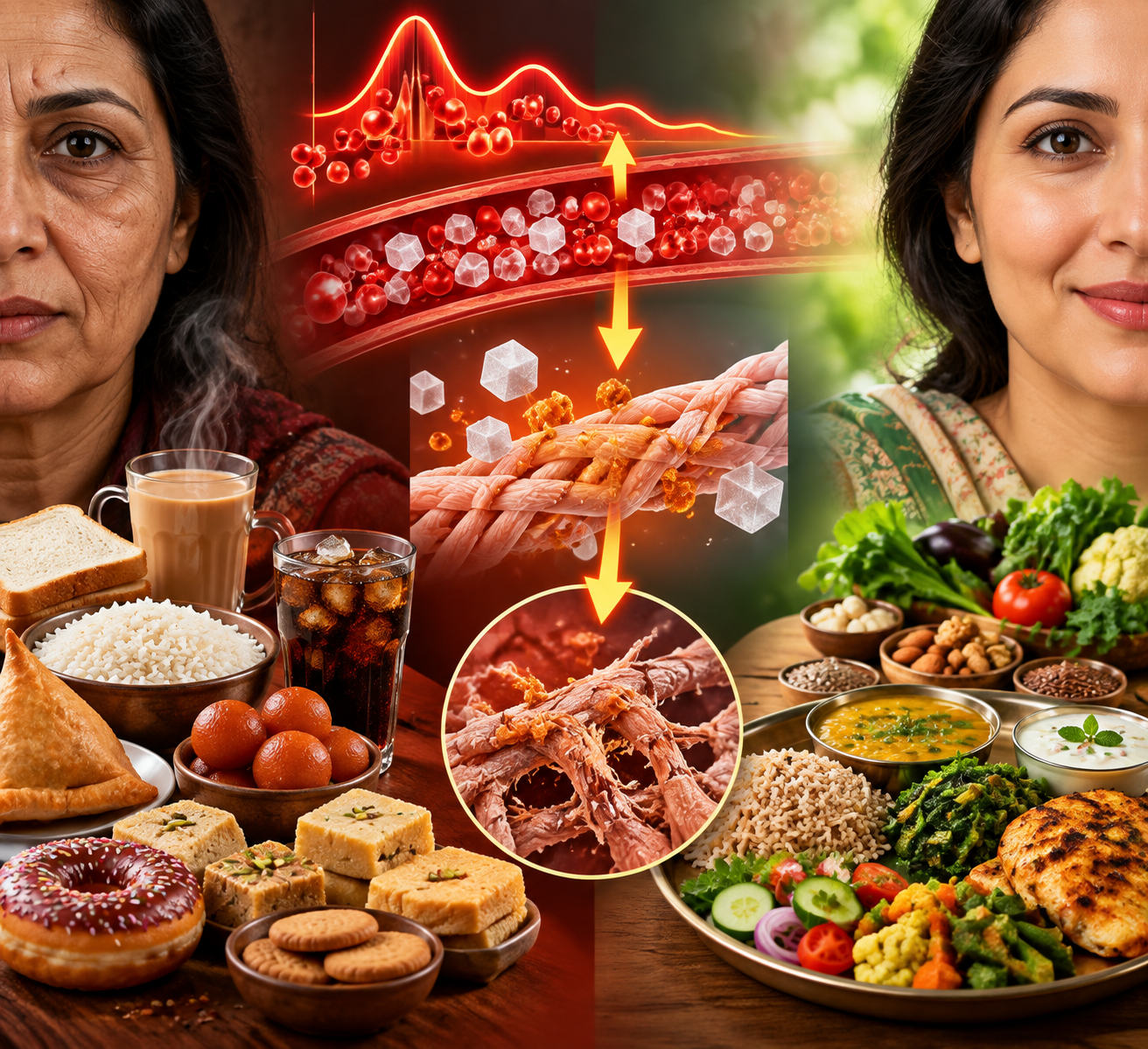
When glucose levels rise frequently and remain elevated over time, the body experiences increased stress. This can contribute to processes associated with aging, including glycation, oxidative stress, and chronic inflammation.
The question is:
Could the foods we eat every day be quietly influencing how quickly our bodies age?
Understanding Blood Sugar Spikes
After eating carbohydrates, the body breaks them down into glucose, which enters the bloodstream and provides energy.
A healthy body regulates glucose using insulin, a hormone that helps move glucose from the blood into cells.
However, some foods cause glucose levels to rise rapidly.
Examples include:
- White bread and refined flour products
- Large portions of white rice
- Sugary tea consumed multiple times daily
- Soft drinks and packaged juices
- Mithai and desserts
- Biscuits and bakery products
- Sweet breakfast items
These foods can create a rapid increase in blood glucose, followed by a rapid drop.
Many people experience this cycle repeatedly throughout the day:
Sweet chai → glucose spike → energy boost → glucose drop → hunger → another snack
Over years, repeated glucose fluctuations may contribute to metabolic problems and increase stress on the body’s systems.
What Is Glycation? The Sugar-Aging Connection
One important process linked with high glucose exposure is called glycation.
Glycation happens when excess sugar molecules attach themselves to proteins, fats, or DNA without the normal control of enzymes.
This creates harmful compounds called Advanced Glycation End Products (AGEs).
The name itself explains the concern:
AGEs are compounds associated with biological aging.
They can affect important structures in the body, including:
- Collagen in the skin
- Blood vessels
- Proteins in tissues
- Cellular function
Collagen gives skin its elasticity and strength. When glycation damages collagen, it can become stiffer and less flexible, contributing to visible signs of aging such as:
- Wrinkles
- Loss of skin elasticity
- Dull appearance
This is why scientists often discuss the relationship between excessive sugar exposure and accelerated aging processes.
Why South Asians May Need Extra Attention
South Asian populations, including people from India and Pakistan, have higher risks of certain metabolic conditions compared with some other populations.
Several factors can contribute:
- High intake of refined carbohydrates
- Increasing consumption of processed foods
- Sedentary lifestyles
- Urbanization
- Genetic and metabolic differences
A typical modern South Asian day may include:
Breakfast: Sweet chai + white bread/paratha
Lunch: Large serving of white rice or naan
Evening: Tea with biscuits
Dinner: Refined carbohydrates again
Dessert: Sweets after meals
Individually, these foods are not automatically harmful. The concern is the frequency, quantity, and overall balance of the diet.
Sugar, Inflammation, and Aging
Another important connection is inflammation.
When the body experiences long-term metabolic stress, it may produce higher levels of inflammatory signals.
Chronic low-grade inflammation is associated with several age-related conditions, including:
- Cardiovascular disease
- Insulin resistance
- Metabolic disorders
- Decline in overall health
Scientists sometimes describe chronic inflammation as “inflammaging” — a combination of inflammation and aging.
A diet consistently high in added sugars and refined carbohydrates may contribute to this environment by promoting metabolic stress.
The Problem Is Not All Carbohydrates
A common misunderstanding is that all carbohydrates are bad.
This is not true.
The body needs carbohydrates for energy. The difference is the quality and combination of foods.
Compare:
High-spike meal:
- White rice alone
- Sugary drink
- Little protein or fiber
Balanced meal:
- Brown rice or moderate rice portion
- Lentils (dal)
- Vegetables
- Protein source
- Healthy fats
The second meal generally creates a slower glucose response because fiber, protein, and fats slow digestion.
South Asian Foods That Can Support Better Blood Sugar Control
Traditional Indian and Pakistani foods already contain many healthy options.
Better choices include:
Lentils and Beans
Dal, chickpeas, and beans provide:
- Fiber
- Plant protein
- Slower digestion
Vegetables
Adding more vegetables helps increase fiber and improve meal balance.
Examples:
- Spinach
- Okra
- Cauliflower
- Eggplant
- Mixed vegetables
Protein Sources
Including protein with meals can reduce rapid glucose rises.
Options include:
- Eggs
- Fish
- Chicken
- Yogurt
- Paneer
- Lentils
Nuts and Seeds
Foods like:
- Almonds
- Walnuts
- Flax seeds
contain healthy fats that support metabolic health.
Small Changes That Can Make a Difference
You do not need to completely abandon cultural foods.
Small changes can improve daily habits:
Instead of:
Three cups of sugary chai daily
Try: Reducing sugar gradually or replacing one cup with unsweetened tea.
Instead of:
Large portions of white rice
Try: Smaller portions combined with vegetables and protein.
Instead of:
Eating sweets every day
Try: Keeping desserts for occasional occasions.
Instead of:
Eating carbohydrates alone
Try: Combining carbohydrates with protein and fiber.
The Aging Question: Is Sugar Making You Older Faster?
Aging is influenced by many factors:
- Genetics
- Sleep
- Exercise
- Stress
- Environment
- Nutrition
Sugar alone does not determine how quickly someone ages.
However, scientific research suggests that repeated exposure to high blood glucose levels can contribute to processes such as:
- Glycation
- Oxidative stress
- Inflammation
These processes are connected with biological aging and chronic disease risk.
The goal is not to fear food.
The goal is to understand how daily choices accumulate over decades.
Final Thoughts: Your Daily Plate Is a Long-Term Investment
In India and Pakistan, food is more than nutrition it represents family, culture, and tradition.
The solution is not removing beloved foods. It is creating balance.
A plate with more vegetables, enough protein, fewer refined sugars, and controlled portions can help support healthier aging.
Every meal creates a signal inside the body.
Repeated glucose spikes may increase metabolic stress, while balanced meals can help maintain better energy, health, and longevity.
The food choices made today become part of the body’s story tomorrow.